

AI-Assisted UX Practice
I use AI to compress research synthesis time while preserving methodological rigor and human judgment.
I work primarily on enterprise UX problems in regulated environments (healthcare, insurance), where accuracy, traceability, and stakeholder trust matter more than speed alone. My use of AI is intentionally scoped to support analysis and exploration — not decision-making.
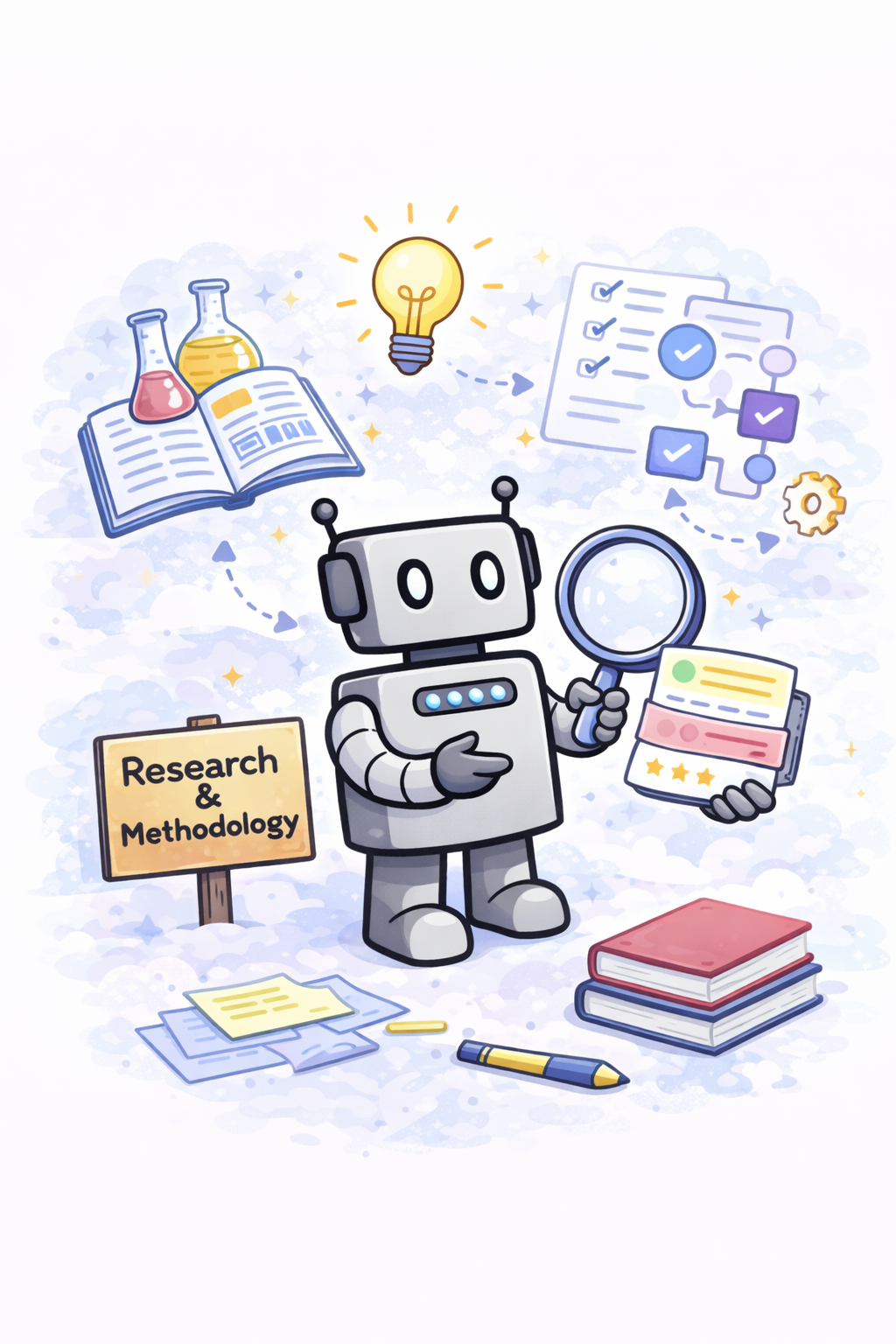
1. Research & Methodology Support
I use AI to quickly answer clarifying questions about research approaches, frameworks, and synthesis techniques. This helps me validate direction early without outsourcing judgment.
AI supports: recall, comparison, explanation
I decide: which methods fit the business, users, and constraints
Result: Less time re-deriving process, more time applying it.
How AI fits in my workflow.
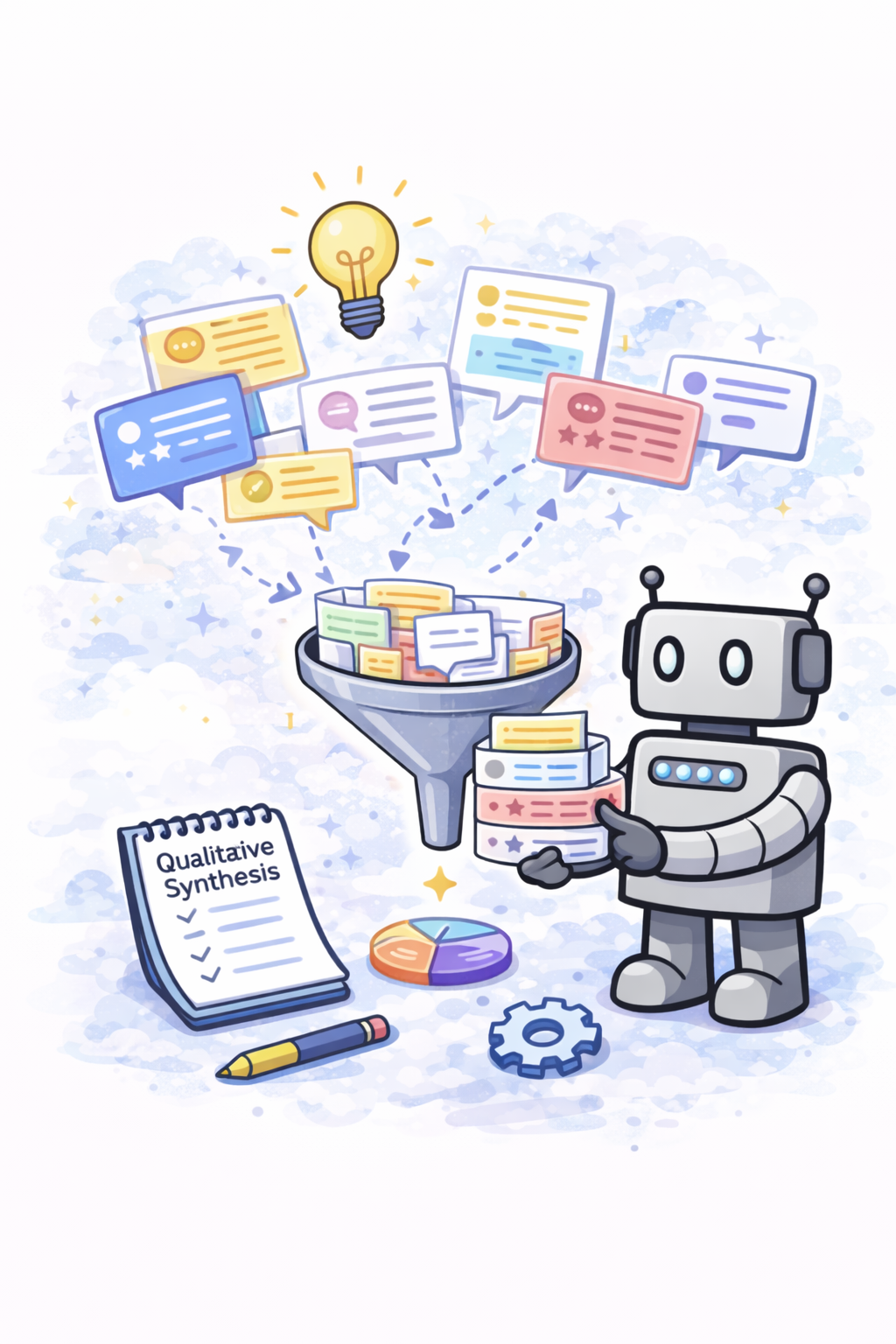
2. Qualitative Synthesis & Compression
After conducting interviews, I input transcripts individually and use AI to produce structured summaries based on criteria I define (role context, tenure, environment, behaviors, motivations, frustrations, workflows).
AI supports: summarization and consistency
I decide: what matters, what’s credible, and what’s noise
Result: Faster synthesis with preserved nuance.
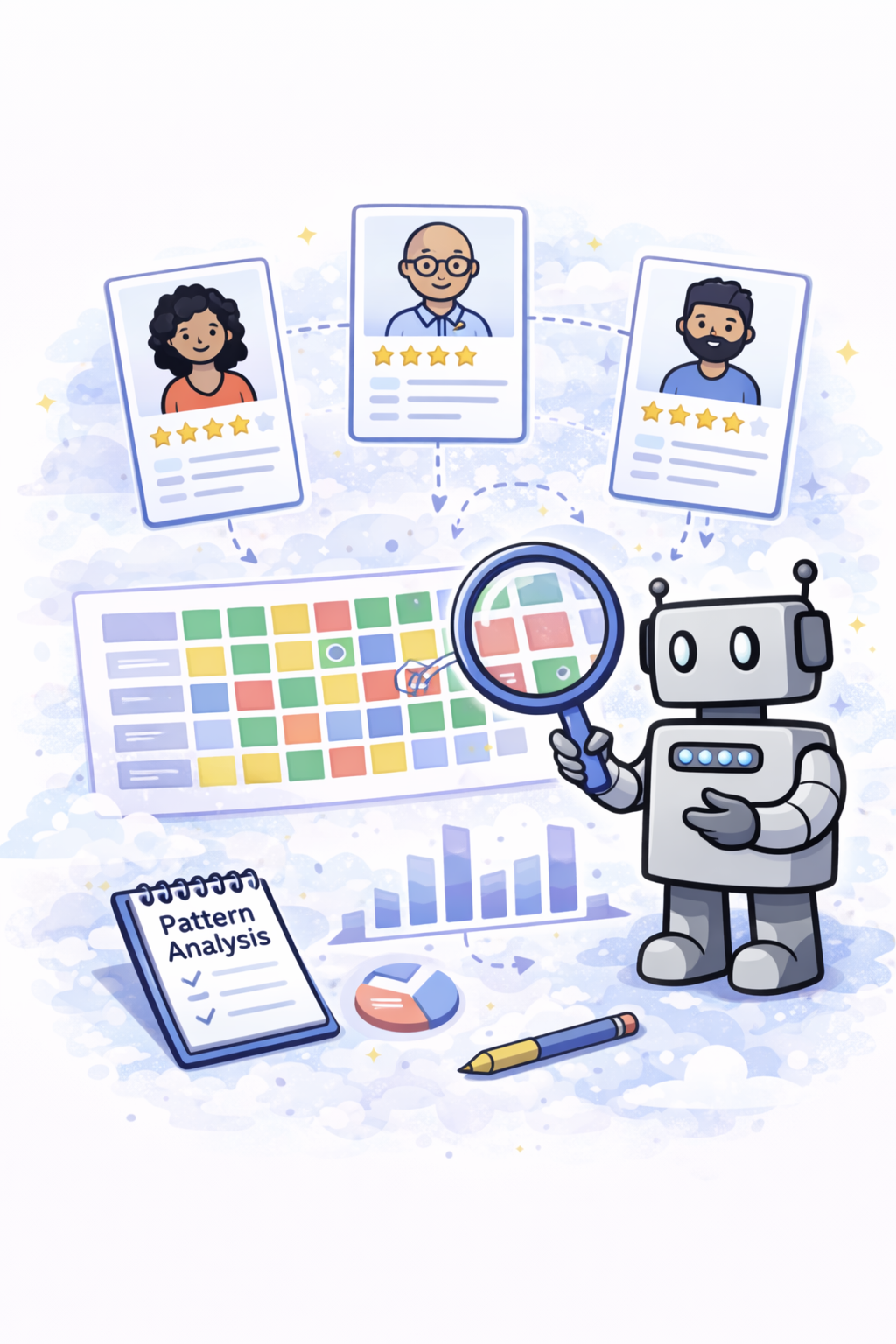
3. Cross-Participant Pattern Analysis
I use AI to compare structured summaries across participants to surface dominant patterns and meaningful differences.
AI supports: comparison at scale
I decide: which patterns are design-relevant and where variance introduces risk
Result: Personas grounded in evidence, not averages.
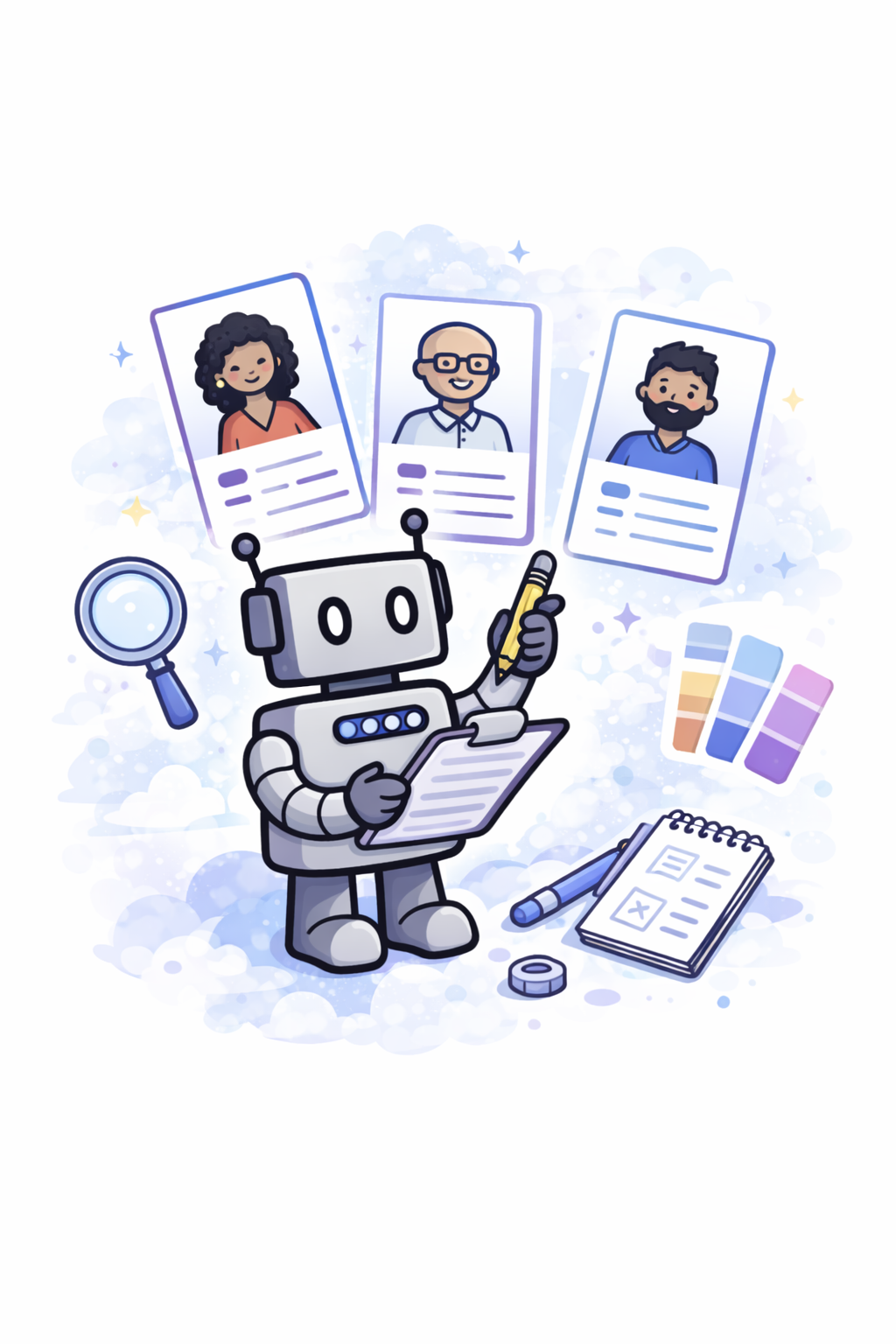
4. Living Research Reference
I treat synthesized research as a living reference that I can query while designing.
The persona evolves only when new research is added
AI never independently updates insights
Personas are authored and maintained by me; AI never generates persona content directly
Result: Reduced cognitive load and better continuity from research to design.
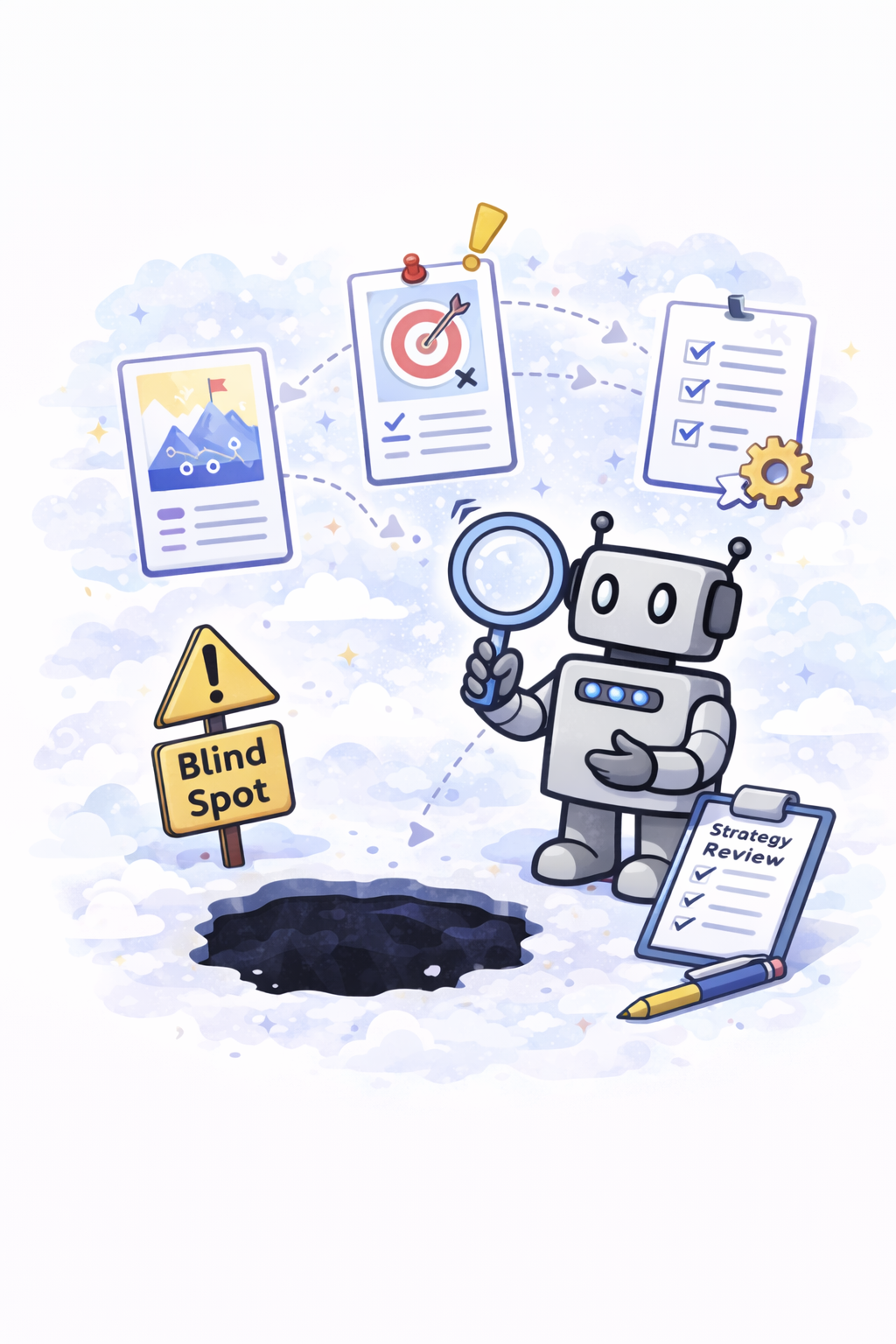
5. Blind-Spot & Strategy Review
I use AI as a second-pass reviewer to surface potential gaps, inconsistencies, or alternate framings in my thinking.
AI supports: reflection and critique
I decide: what to keep, adapt, or discard
Result: Fewer missed assumptions without diluting ownership.
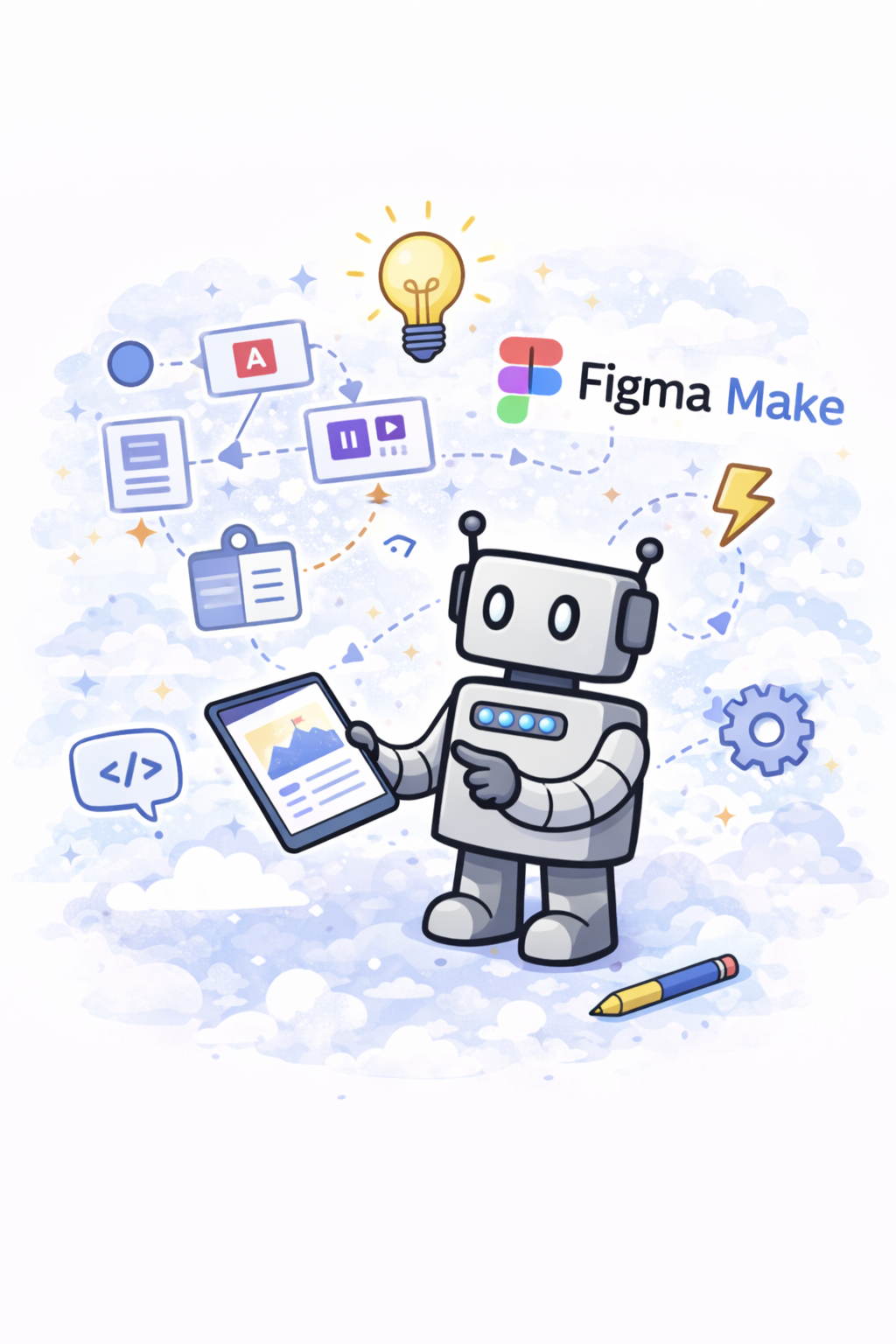
6. Early Concept Exploration (e.g., Figma Make)
When a problem is reframed, I use AI-assisted tools to quickly explore alternative structures or workflows — especially during live collaboration.
AI supports: rapid exploration
I decide: framing, selection, and direction
Result: Faster alignment and new solution space without premature commitment.
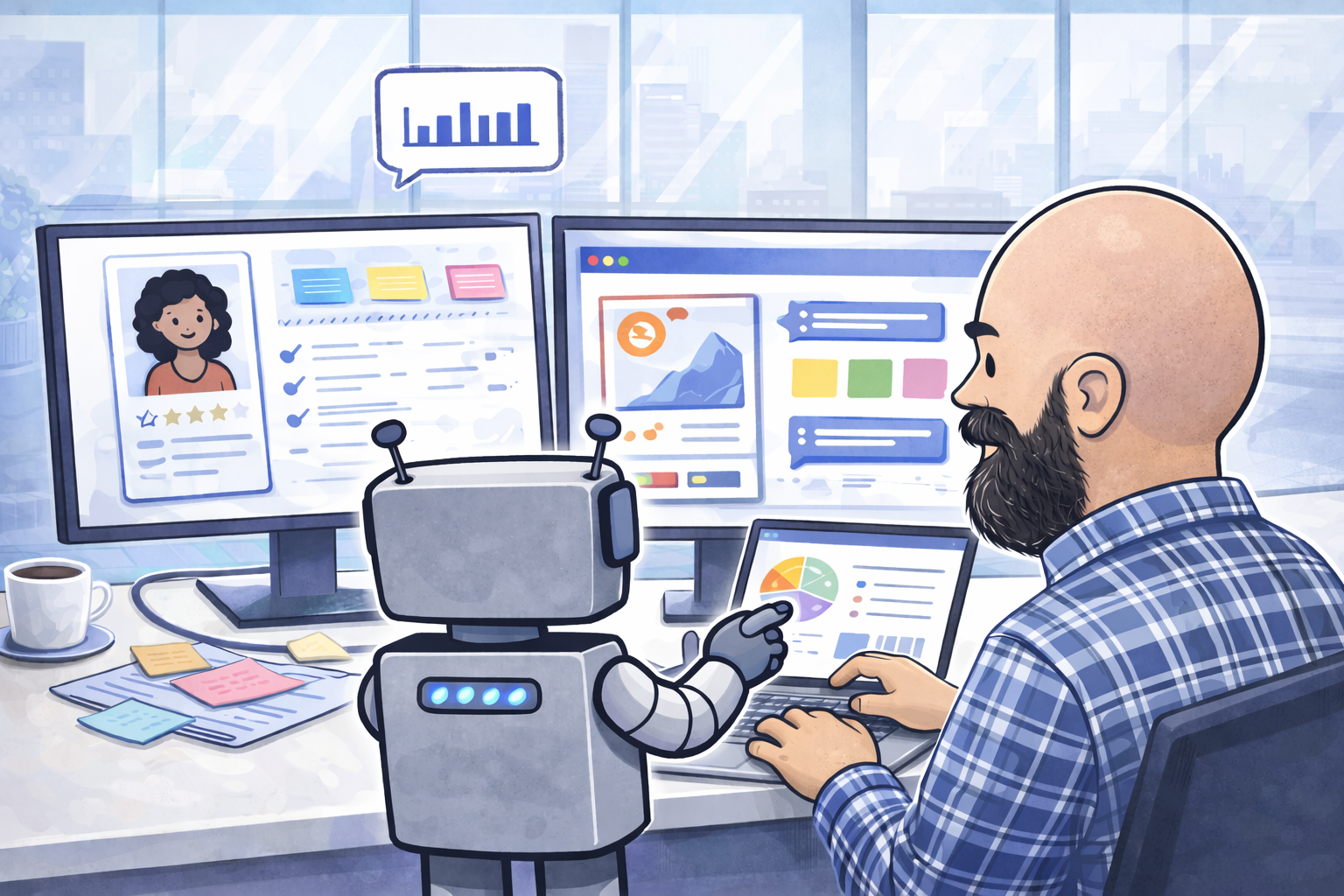
Micro Case Study: Reframing a Work Queue in Real Time
During a live business discussion, the team was struggling to align on how to design a new work queue without rebuilding backend systems or expanding scope beyond MVP.
What AI Is Not Used For
Conducting research
Defining insights
Making prioritization decisions
Designing final solutions
AI supports the work — it does not own it.
AI & Data Responsibility
My use of AI follows strict data-handling and governance standards appropriate for regulated enterprise environments.
I do not input personally identifiable information (PII), protected health information (PHI), or confidential business data into AI tools.
When working with sensitive research or proprietary systems, I scrub, anonymize, or abstract information before using any AI-assisted workflow.
AI is used only with non-sensitive, de-identified, or synthetic inputs.
If an organization restricts or forbids the use of certain AI tools or platforms, I fully comply and do not use them.
Original research artifacts (interviews, transcripts, recordings) remain the system of record and are never replaced by AI outputs.
This approach ensures that AI supports efficiency without compromising privacy, security, or organizational policy.