
UNITED HEALTHCARE
Case Study—
Bringing UX into Agile at UnitedHealthcare
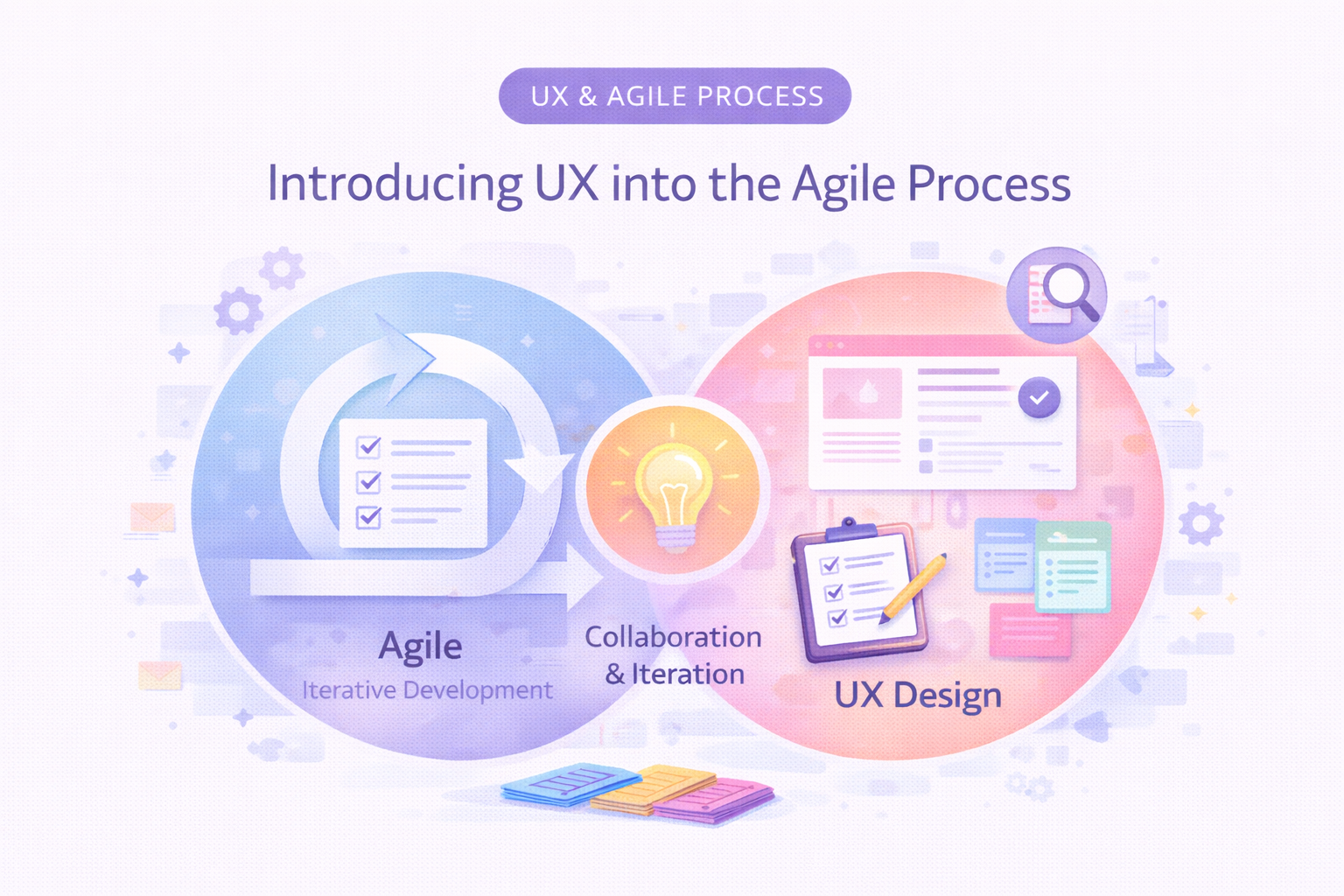
At UnitedHealthcare, I helped integrate UX more deeply into Agile delivery by shifting design from a downstream activity to a strategic, collaborative function. Working across claims processing (FOX) and administrative/billing systems (COMPAS), I partnered with product, engineering, and architecture to embed UX earlier in planning, improve design consistency, and reduce operational friction for high-volume users.
This work focused less on a single feature and more on building sustainable UX practices inside a complex enterprise environment.
(Roles)
UX Research
UX/UI Design
UX Facilitator
(Tools)
Miro Board
Figma
Otter AI

The Problem
When I joined, The UX Team faced several structural challenges:
UX involvement often began after user stories were already defined
Design decisions were reactive rather than strategic
UX standards, templates, and handoff practices were inconsistent
Post-pandemic rebuilding had left gaps in process continuity and shared understanding
UX maturity varied widely across teams, limiting influence and impact
As a result, design was frequently seen as execution support rather than a partner in shaping solutions.

The Opportunity
The UX team identified a clear opportunity:
Bring UX into earlier conversations—where priorities, architecture, and scope were being defined.
This required:
Building trust with the business, product owners and development teams
Communicating UX value in business-relevant terms
Creating practical, repeatable processes that fit Agile delivery
My Contributions
1. Embedding UX into Agile Collaboration
I helped strengthen UX’s role by:
Participating in a bi-weekly UX Collaborative Working Group with architecture, product, and engineering
Contributing to internal education sessions on UX principles, ROI, and decision-making
Framing UX recommendations in business and operational language
Partnering directly with product owners to align UX efforts with roadmap priorities
2. Operationalizing UX Processes
To make UX easier to adopt at scale, I contributed to:
A standardized design review framework aligned with Agile ceremonies
UX templates, checklists, and shared artifacts
Clear handoff protocols between design and development
A more consistent rhythm for UX engagement within sprints
These changes reduced ambiguity and made UX participation predictable and actionable for delivery teams.
3. Platform-Level Impact
FOX (Claims Processing)
Contributed to UI/UX redesigns that reduced screen load times
Improved workflow efficiency for claims examiners
Standardized calls-to-action and navigation patterns
Supported resolution of 200+ defects and 400+ enhancements
COMPAS (Billing & Administration)
Helped establish unified design system components in Figma
Reduced UI inconsistencies
Implemented WCAG-compliant components
Improved alignment between design and engineering through shared patterns

Alongside my UX Team, I co-led bi-weekly workshops with product owners and development leads to strengthen UX understanding across teams. We rotated facilitation, covering business value, design systems, and UX strategy, with my focus on design thinking, UX maturity, and the practical value of UX at UnitedHealthcare.
Using collaborative Miro-based presentations, these sessions encouraged open discussion, questions, and shared alignment across multiple teams.
Workshops I facilitated
Embedding Design Thinking into Team Practice
Advancing UX Maturity Across Teams
Demonstrating the Business Value of UX

Results & Outcomes
Operational Impact
Faster screen performance and reduced examiner friction
Improved consistency across enterprise tools
Reduced claims processing backlog
Stronger accessibility compliance
Organizational Impact
UX became a trusted partner earlier in the delivery lifecycle
Teams gained clearer expectations for UX involvement
Design systems and processes became more scalable
Cross-functional collaboration improved measurably
What This Demonstrates
Strategic UX leadership in regulated, enterprise environments
Process design as a UX competency
Ability to influence without formal authority
Comfort operating within Agile constraints
Focus on sustainable impact, not just artifacts; Better decision-making over time
Why This Matters
This case study reflects how I work in real enterprise settings where success depends as much on how teams collaborate as on what gets designed.
By combining practical UX execution with process and relationship building, I helped elevate UX maturity while delivering measurable business value.